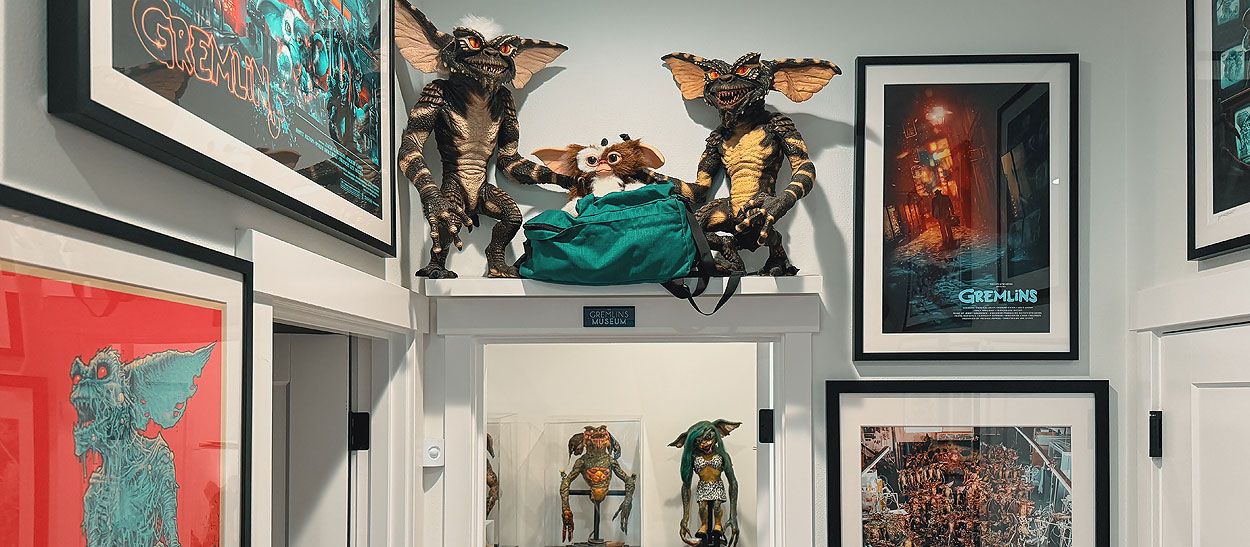
Our Mission Statement
The Gremlins Museum is an independent archive and preservation project devoted to the history of Gremlins and Gremlins 2: The New Batch. Centered on the world’s largest known collection of original Gremlins props, puppets, production materials, and behind-the-scenes artifacts, the museum exists to preserve the physical legacy of the films and the practical-effects artists who brought them to life. Through restoration, archival photography, research, interviews, and public documentation, the Gremlins Museum works to protect fragile pieces of film history while sharing their stories with fans, filmmakers, scholars, and future generations.
Props Collection
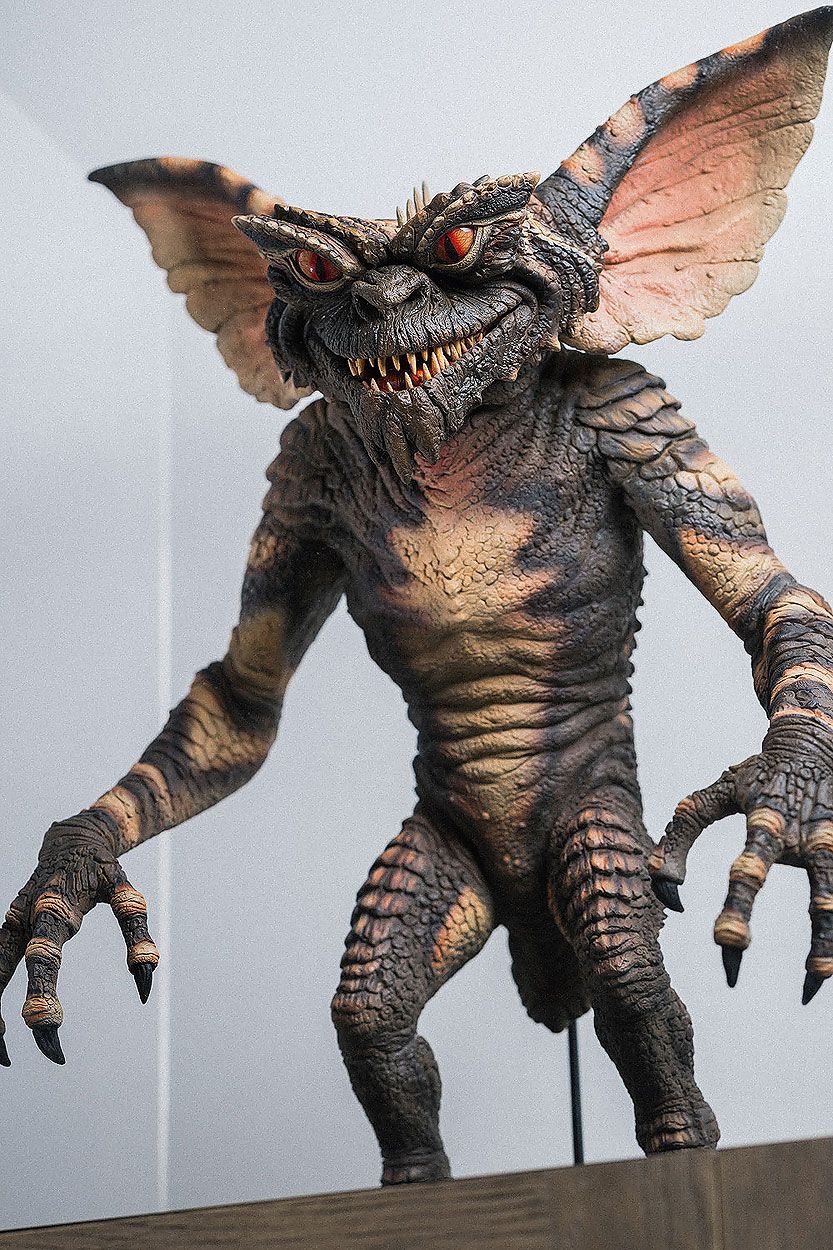
The Gremlins Museum is home to one of the most significant surviving collections of original Gremlins props and puppets in the world. The collection includes an estimated quarter of the remaining Gremlins puppets left in the world, including a surviving pulls from Tony McVey’s original gremlin sculpt, whose original clay form was destroyed. Also preserved in the archive is one of the two known remaining motorized Gizmo Corvettes, complete with its original RC controller.
From Gremlins 2: The New Batch, the museum holds many of the film’s hero puppets, including the oversized Gizmo and Daffy puppets used for the film’s close-up photography, as well as key character pieces such as the hero Vegetable Gremlin, Greta, Lenny, and an extraordinary seven-foot Bat Gremlin display.
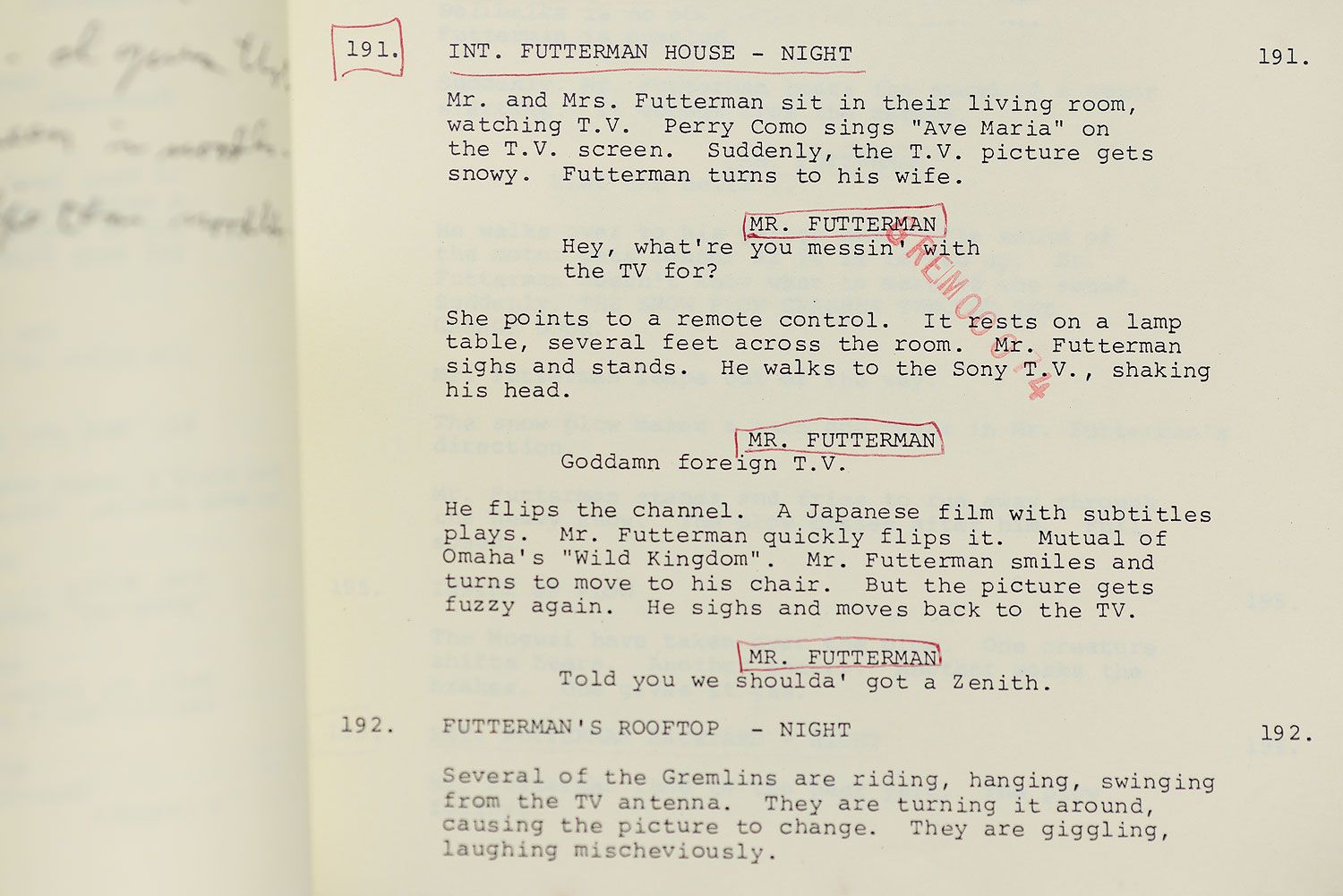
Image and Flats Archive
The Gremlins Museum is building one of the most historically significant image and paper archives devoted to the Gremlins films. Among its most important holdings is the Joe Dante / Chris Walas Polaroid collection, a set of several hundred unique behind-the-scenes images that were sent from the creature shop to director Joe Dante to document the progress of the film’s puppets and effects work. The archive also includes Joe Dante’s personal slide collection, which the museum carefully cataloged and DSLR-scanned to preserve the highest level of detail these images have ever revealed.
Additional materials include surviving concept sketches from the long-lost 1990s Gremlins animated series, George and Lenny paint-pattern tests, production artwork, and rare scripts, including actor Dick Miller’s personally annotated copy.
Restoration and Preservation
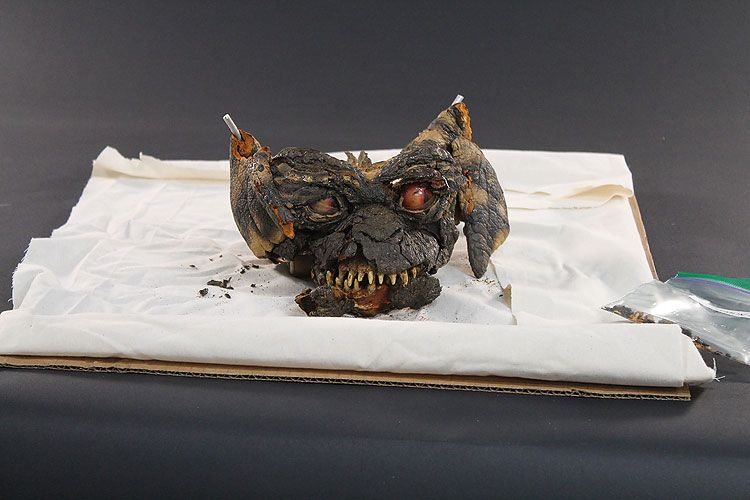
A central part of the Gremlins Museum’s work is the long-term preservation of fragile practical-effects artifacts. Many surviving Gremlins puppets were built from foam latex, paint, faux-hair, fabric, mechanical components, and other materials that naturally deteriorate over time, making careful conservation essential.
The museum documents each piece through detailed photography, condition notes, provenance research, and screen-matching before any restoration work begins. When restoration is appropriate, the goal is not to make an artifact look “new,” but to stabilize it, preserve its history, while respecting the original artists’ work.
Through conservation, archival storage, and collaboration with experienced restoration specialists, the Gremlins Museum works to ensure that these rare puppets, props, and production materials can survive for future study, exhibition, and appreciation.
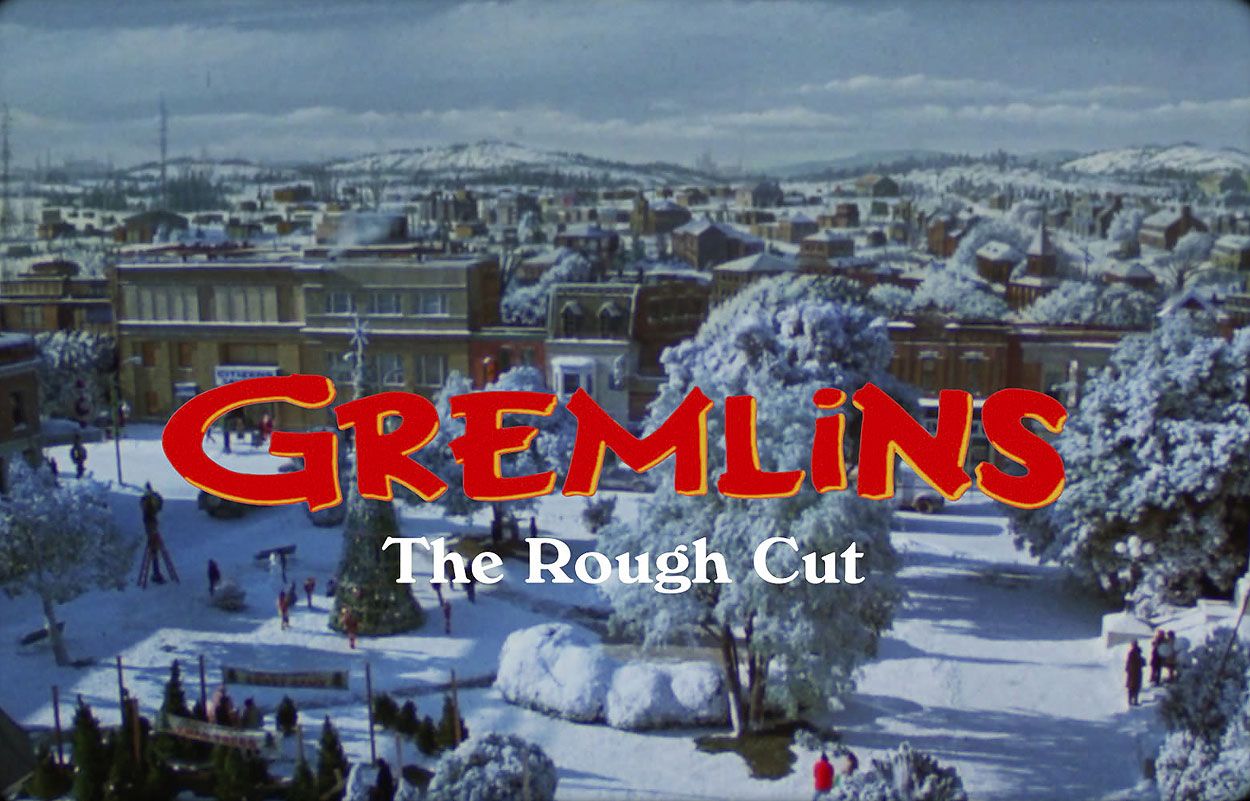
The Gremlins Rough Cut Project
One of the most important preservation projects currently housed by the Gremlins Museum is the rediscovered Gremlins Rough Cut assembly. In early 2026, director Joe Dante uncovered two long-rumored VHS tapes containing the original 1983 first assembly of the film, which were then sent to the museum for preservation, restoration, and study. This alternate version includes more than an hour of previously unseen footage, extended scenes, deleted moments, raw production audio, alternate edits, and material that reveals how the final film evolved during post-production.
Over the course of three months, the Gremlins Museum re-edited the footage into a watchable screening cut, nearly three hours in length, carefully shaping the rough material into a version that could be experienced by an audience while preserving its archival significance.
The project made international news when the screening cut was shown in Los Angeles for Joe Dante, the Gremlins 3 writers, and a group of contemporary horror directors and writers. What began as a quiet archival project quickly became one of the most significant discoveries in Gremlins history, offering a rare look at the film’s creative process and material that had remained unseen for more than forty years.
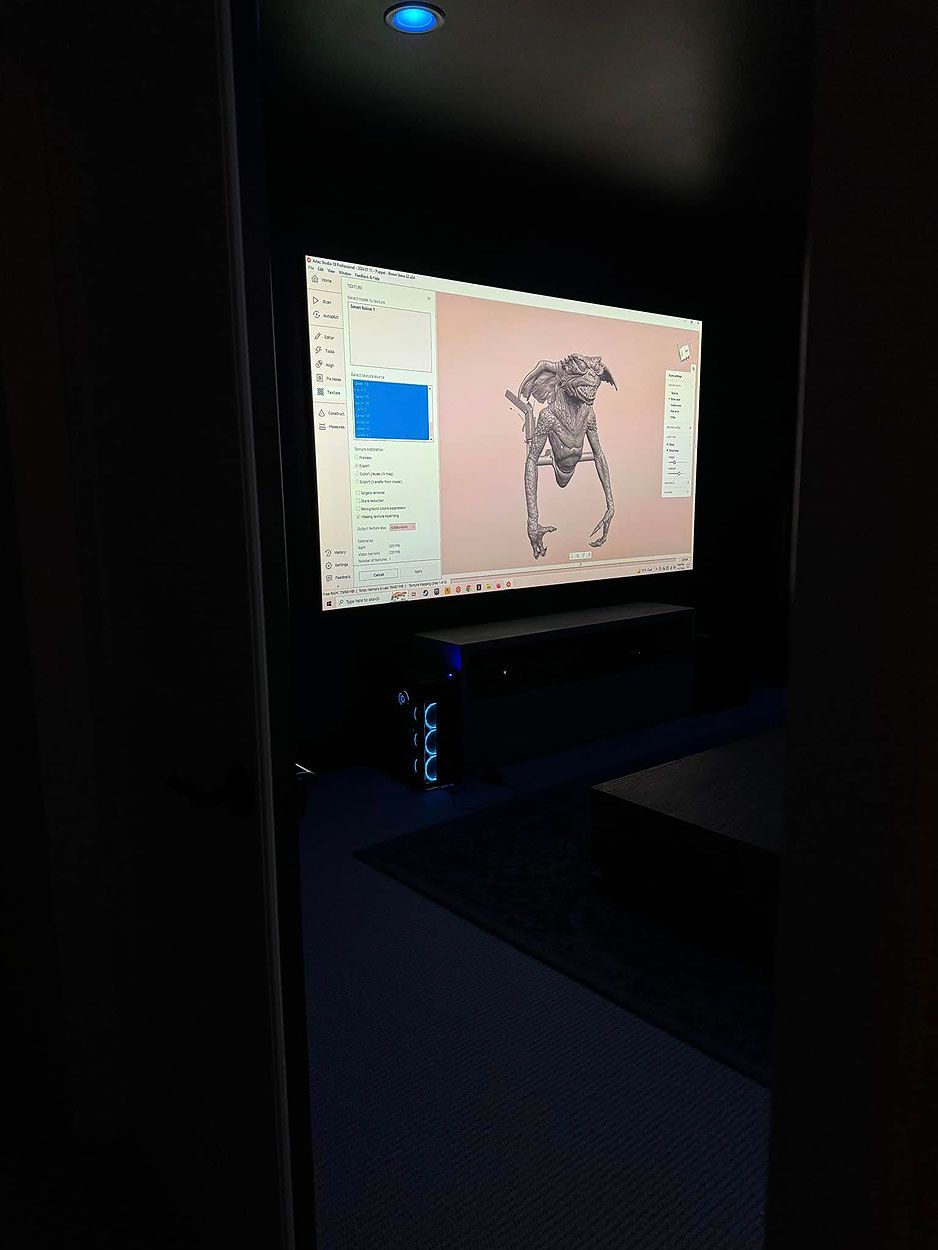
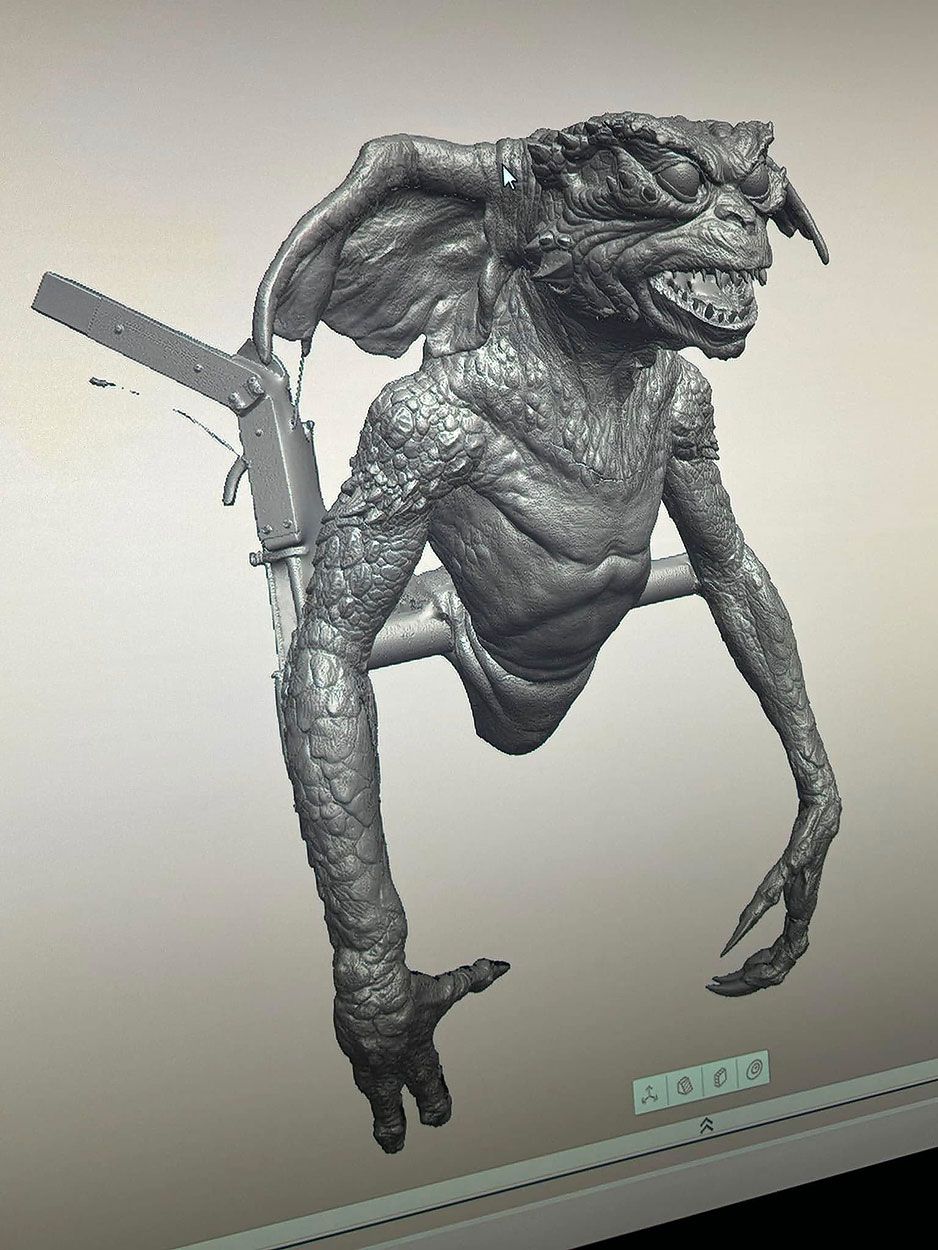
Future Goals
The Gremlins Museum’s long-term goal is to continue growing from a private archive into a more accessible cultural and educational resource. It is our hope to one day partner with Warner Bros. and Amblin to create a permanent space where the collection can be preserved, studied, and appreciated by Gremlins fans from around the world.
We also hope to expand the archive by connecting the surviving physical artifacts with deeper layers of production history, including additional behind-the-scenes photography, documentation, call sheets, interviews, and restoration research.
Our ultimate goal is to trace these pieces as completely as possible: identifying which puppet was used on which day, how it was built, when it was made, who contributed to its creation, and how it appeared on screen. In doing so, the museum aims to preserve not only the objects themselves, but the full creative history behind them.